

Make Sure Your Car is Ready for Holiday Travel
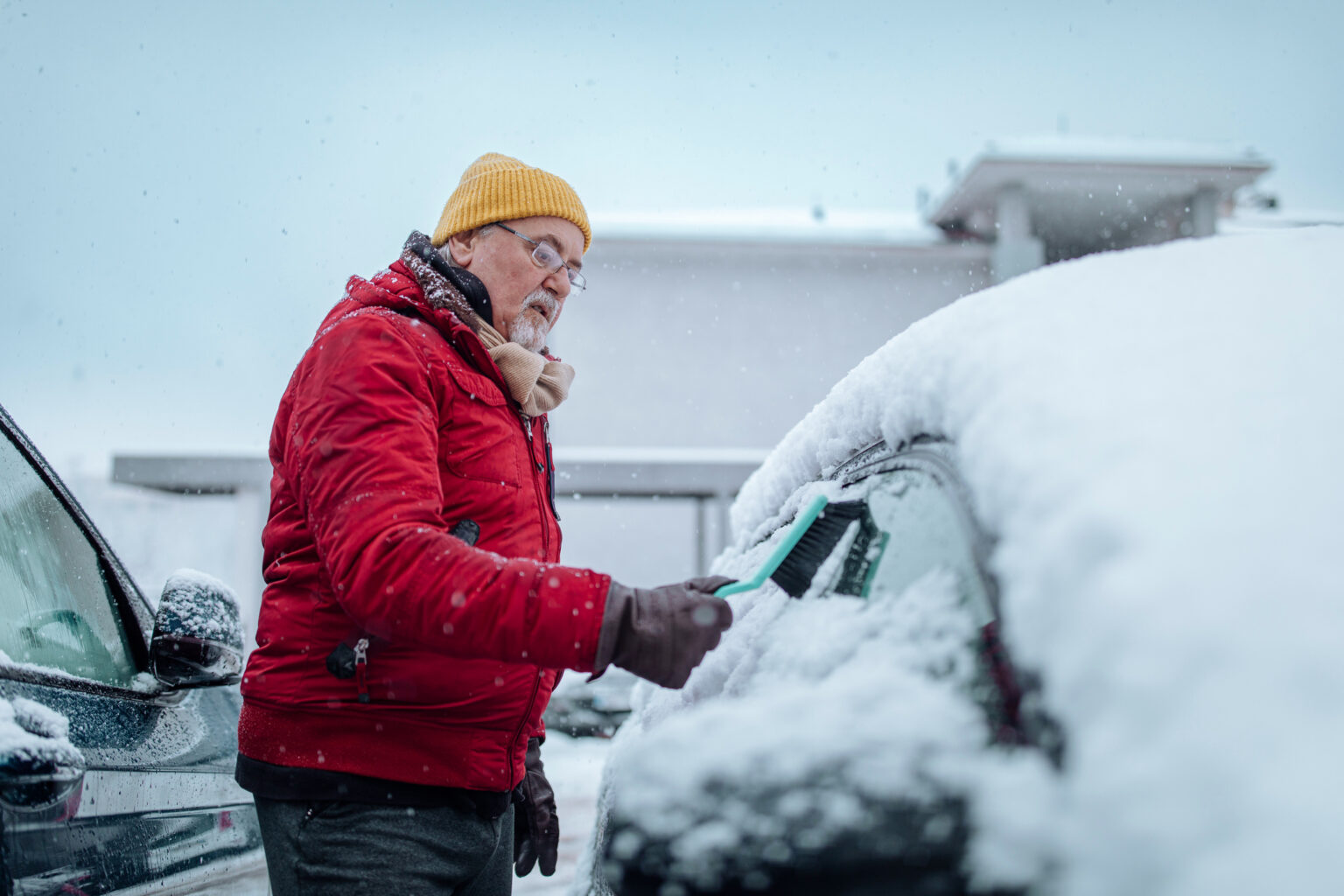
“Over the river and through the woods, to Grandmother’s house we go…”
We don’t take a one-horse open sleigh these days, but plenty of us still pile into the car and drive to visit relatives during the winter holidays. Or maybe we’re sneaking away to warmer southern climes?
The Centers for Disease Control and Prevention (CDC) reminds us to be sure our cars are up to the task before we head out into snow, ice and other winter weather challenges. They offer the following safety tips:
Prepare your car for winter
You can avoid many dangerous winter travel problems by planning ahead. Have maintenance service on your vehicle as often as the manufacturer recommends. In addition, every fall:
- Have the radiator system serviced or check the antifreeze level yourself with an antifreeze tester. Add antifreeze as needed.
- Replace windshield-wiper fluid with a wintertime mixture.
- Replace any worn tires, make sure the tires have adequate tread, and check the air pressure in the tires.
During winter, keep the gas tank near full to help avoid ice in the tank and fuel lines.
Before you hit the road, check the following:
- Antifreeze
- Windshield wiper fluid (wintertime mixture)
- Heater
- Defroster
- Brakes
- Brake fluid
- Ignition
- Emergency flashers
- Exhaust
- Tires (air pressure and wear)
- Fuel
- Oil
- Battery
- Radiator
And don’t forget the most important cargo you’ll carry—humans! The CDC suggests that during winter weather, we should keep these items in our car in case of emergency:
- Cell phone, portable charger, and extra batteries
- Shovel
- Windshield scraper
- Battery-powered radio with extra batteries
- Flashlight with extra batteries
- Water
- Snack food
- Extra hats, coats, and mittens
- Blankets
- Chains or rope
- Tire chains
- Canned compressed air with sealant for emergency tire repair
- Road salt and sand
- Booster cables
- Emergency flares
- Bright colored flag or help signs
- First aid kit
- Tool kit
- Road maps
- Compass
- Waterproof matches and a can to melt snow for water
- Paper towels
Hopefully you’ll never need to use those items, but it’s better to be safe than sorry!
Source: IlluminAge AgeWise reporting on material from the Centers for Disease Control and Prevention (CDC). Find more winter weather health and safety tips on the CDC website (https://www.cdc.gov/winter-weather/about/index.html)